"If they are not interacting with our content, then they are not our audience." While I agree that you need to find your tribe, here's why this mindset doesn't quite work on LinkedIn.
The Lurkers Are Your Real Buyers
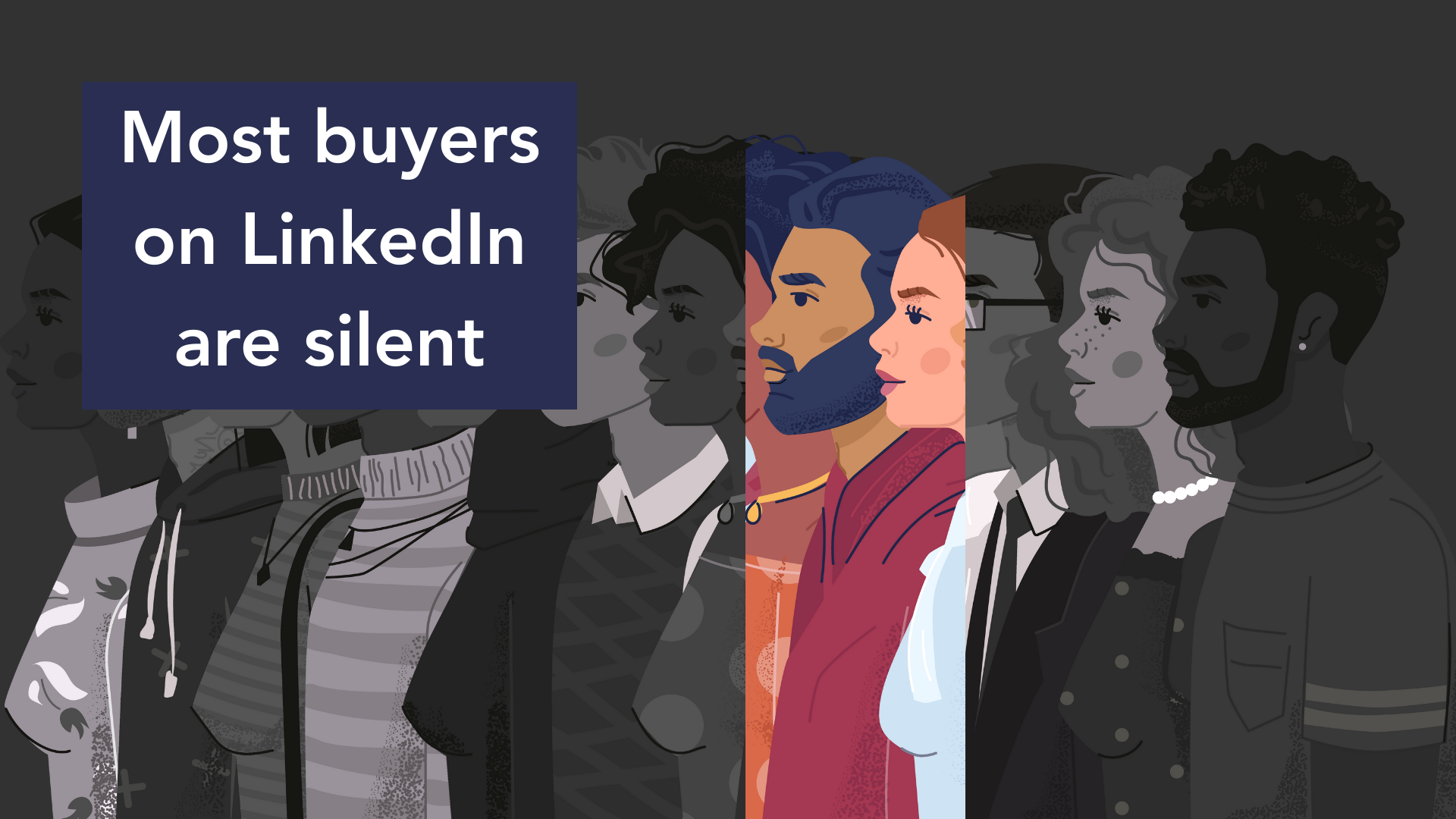
Most buyers on LinkedIn are silent observers. They read your posts, follow where the founder shows up, and form impressions long before they ever reach out. Ask any influencer or business leader worth their salt and they will tell you: their best inbound leads rarely comment or like their posts. Instead, they read in silence and then sneak into their DMs. So, if you're equating engagement with being the "right audience," you're missing the majority of your buyers.
Posting for Visibility vs. Publishing for Growth
Many SMEs make the same mistake: they post narrow, technical content and then wonder why it doesn't drive business. For example, a post explaining the nuances of a cybersecurity network integration system might resonate with a handful of specialists, but it won't land with the CEO who will sign the contract. Without accessible, problem-focused content that speaks their language, you risk losing the broader buying committee.
Posting for visibility
Putting content out to be seen. The goal is impressions, likes, or looking active. Often reactive, surface-level, or overly technical.
Publishing for growth
Creating content with a business outcome in mind. Each post has a role in the funnel: awareness → interest → proof → action.
This is why it's important for your business: LinkedIn rewards both the obvious signs of conversation, like comments and back-and-forth discussions, and the silent signals you never see, like how long someone lingers on your post. Visible engagement matters, but silent attention matters just as much.
The Business Reality of LinkedIn
Less than 3% of any LinkedIn audience is active:
Deep expertise matters. It builds credibility with best-fit clients and reassures them you know your stuff. But expertise only converts if people actually see it. If your content is too niche or technical upfront, you shrink your potential audience before they understand the value.
If you are only posting hyper-technical content, your potential audience stays tiny. To grow, you need content that is accessible, problem-focused, and resonates beyond specialists.
Visibility Alone Isn't Enough
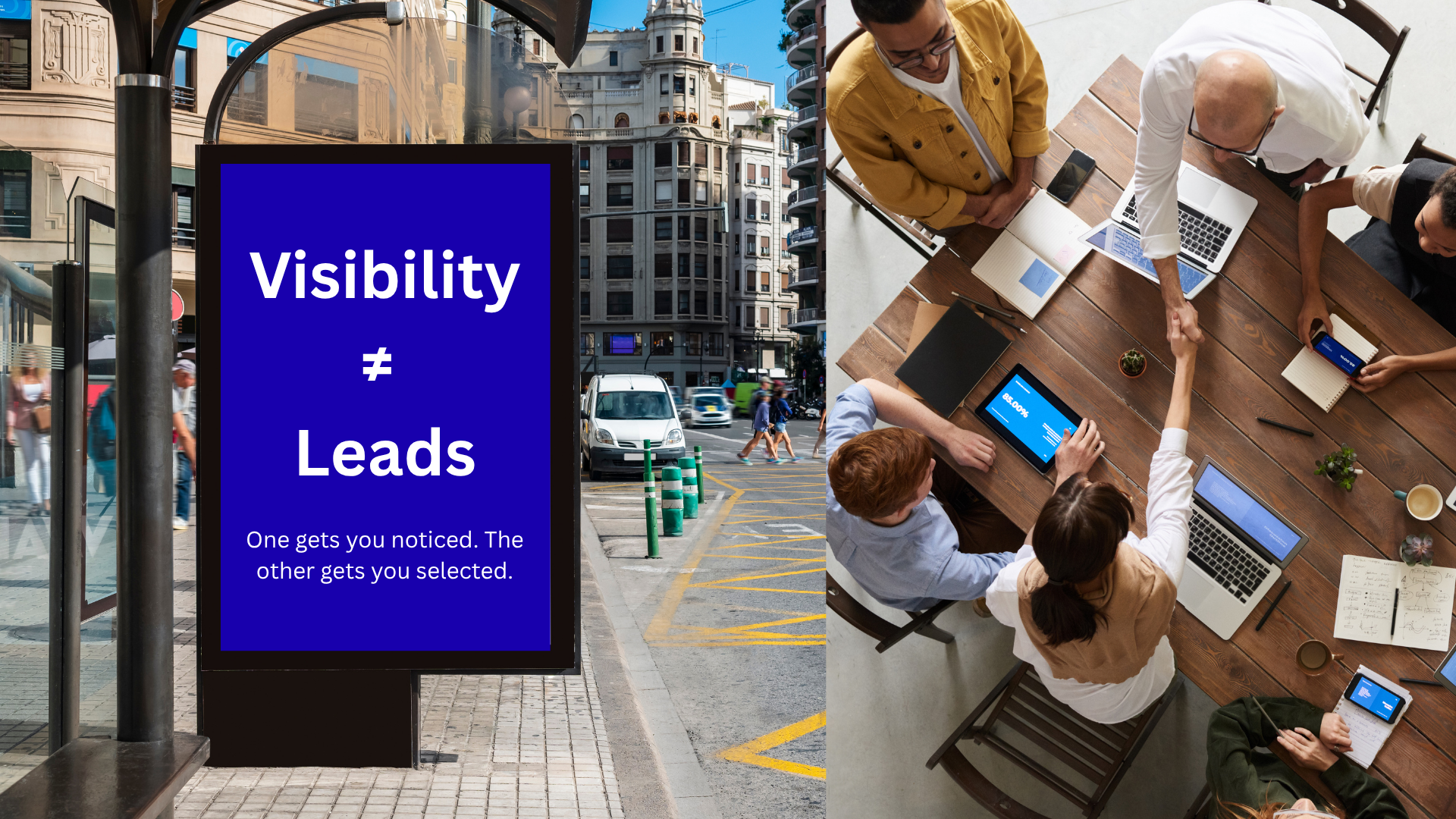
Being seen is not the same as generating leads. You need a mechanism to turn a silent observer into someone you can nurture. That means offering value in exchange for connection:
- Free guides
- Checklists
- Calculators
- Audits
- Webinars or office hours
These tools do two things at once: they show your expertise and give your prospect a reason to take the next step.
Why Engagement Isn't the Outcome
Engagement can be a signal, but it isn't the end goal. What really matters is whether the right people are moving through this path: Seeing → Engaging → Booking → Buying
Believing "if they don't engage, they're not my audience" is short-sighted. The reality is:
- Buyers form impressions quickly. If your content feels irrelevant or overly technical, they bounce.
- If they bounce, they rarely come back. Even if they were the right audience, you've lost them.
- Company pages provide credibility, but trust is built through the voices of founders and leaders. Even in B2B, buyers want to hear directly from people.
Don't let your content become brand theatre.
A Smarter LinkedIn Framework
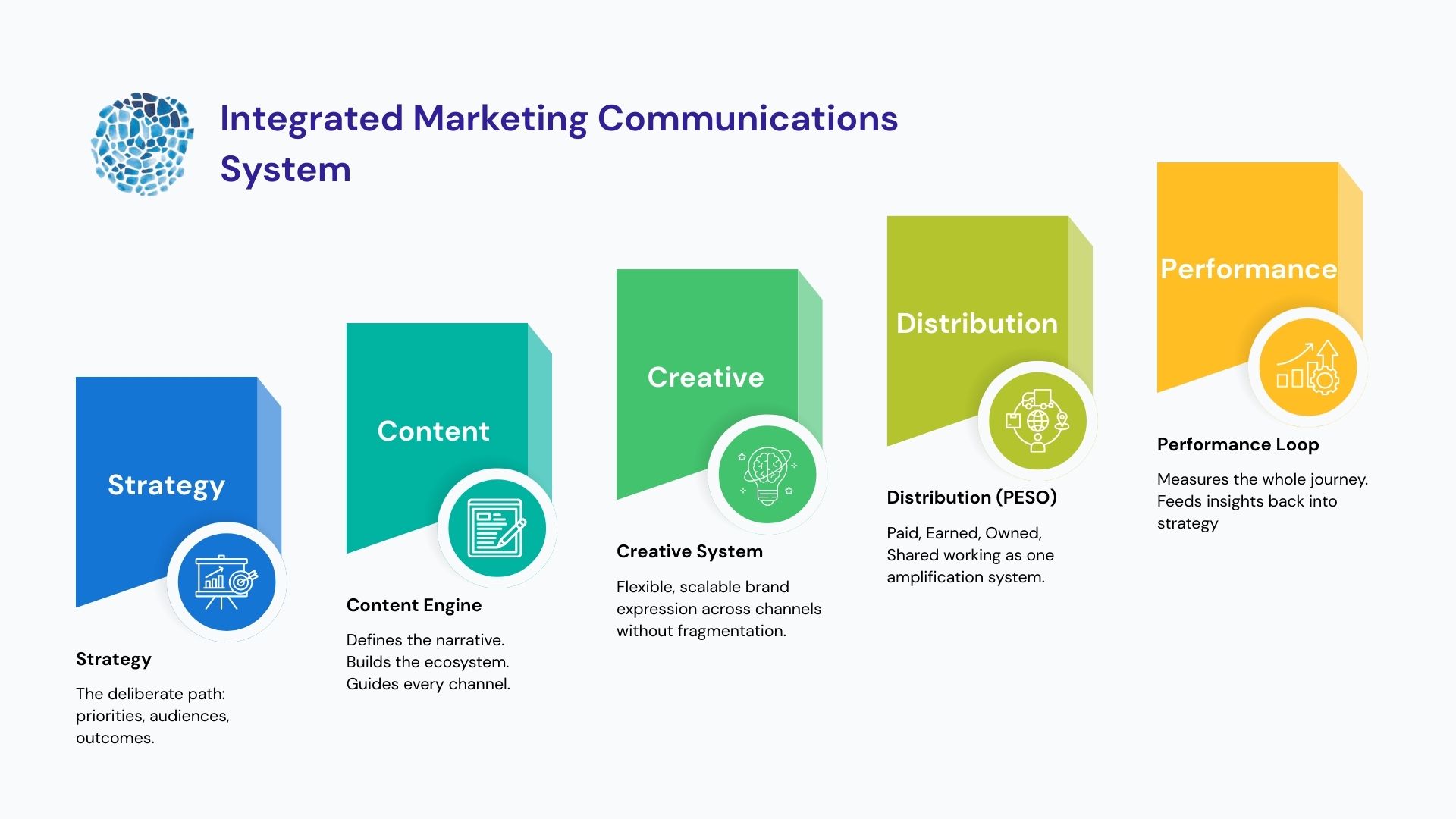
The most effective LinkedIn content strategies for SMEs are about creating a system that expands reach, builds credibility, and pulls the right people into your pipeline. That means moving beyond random posts and adopting a few core practices that work together:
Use a barbell strategy
Balance broad, outcome-first stories (for executives) with deep technical pieces (for specialists).
Prioritise founder-led content
People buy from other people. Company pages build credibility. Founder voices build trust.
Show proof and outcomes
Case-style posts, benchmarks, and frameworks outperform opinion pieces every time.
Create lead magnets and offers
Attention only matters if it converts. Practical resources — checklists, calculators, or free audits — turn casual readers into leads you can nurture.
Build a comment flywheel
Thoughtful comments on target customer posts and industry conversations multiply your reach without requiring new content.
Partner for reach
Collaborate with adjacent players to co-create content and tap each other's audiences.
Together, these tactics shift your content from being visible to driving growth.
At the end of the day, thought leadership on LinkedIn is about visibility, resonance, and conversion. When SMEs broaden their message, humanise their voice, and build a consistent system around content, LinkedIn stops being just another posting platform and becomes a real engine for growth. Content sparks attention, but conversations spark business.
If you're an SME leader, ask yourself: are you posting for visibility, or publishing for growth?